

Three Year Dream To See Wild Ponies
A three-year pilgrimage, the highest hill on Exmoor (a mountain to me), and what happens when your healing metaphor proves more nuanced than you imagined.

I have been wanting to see the Exmoor wild ponies for three years – ever since they arrived in my life through my MSc dissertation, research into Gottman's Four Horsemen as a framework for understanding the way we communicate with ourselves. (More on that at the end, if you're curious.)
The ponies came to represent the self-centred us we can come home to, once we free ourselves from self-criticism, self-contempt, defensiveness and stonewalling. For three years they had lived in my imagination as mentors – the unbranded, freely-moving selves I was helping others, and myself, to find. The weekend before last, my husband Carl and I finally went on a rare weekend away together.
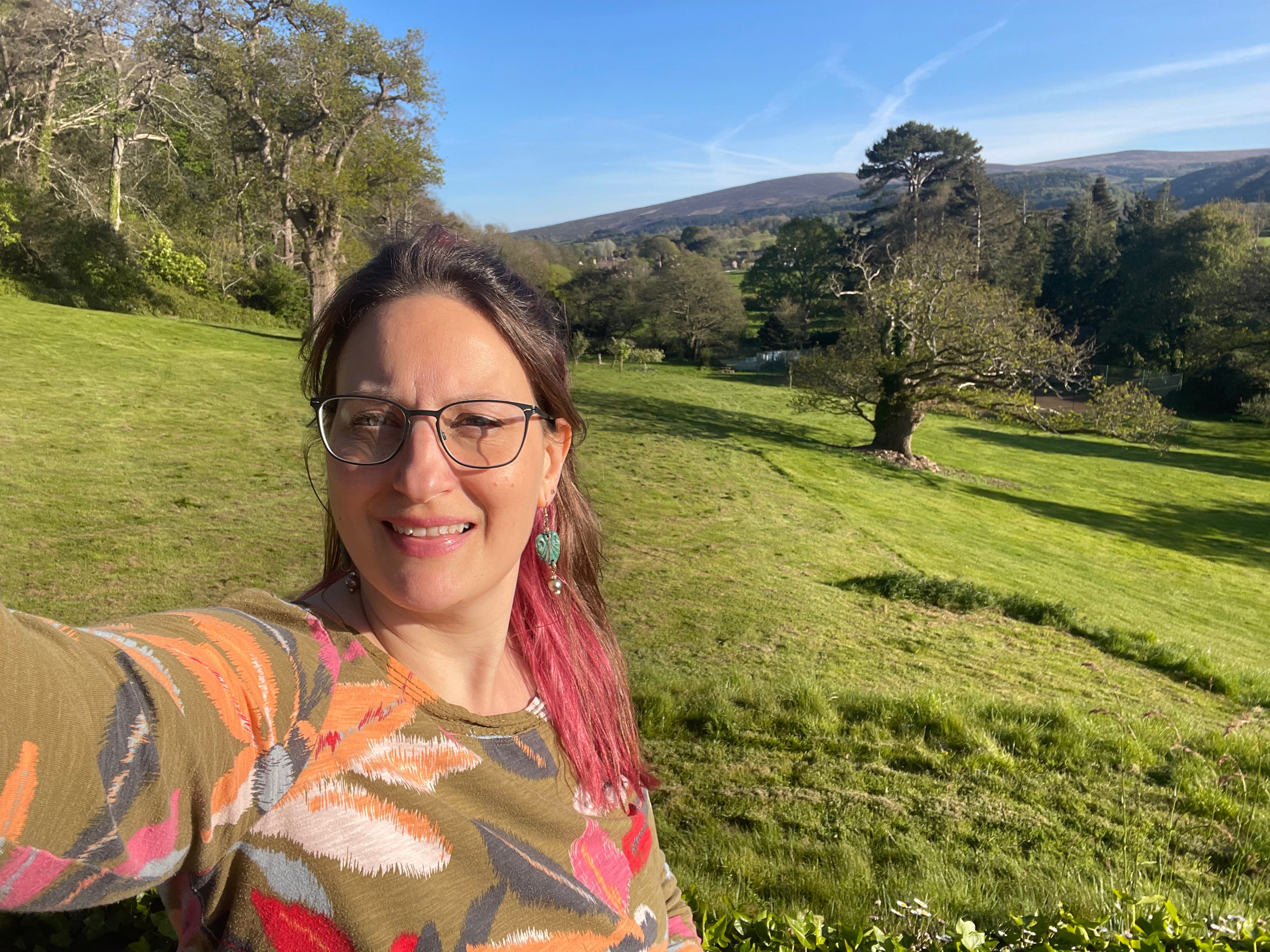
I should say: I have not been well. Post-COVID lungs, exhaustion and ongoing symptoms I haven’t yet got to the bottom of. Even climbing the stairs has been a lot of late. It felt a lifetime ago that I was kayaking down the Thames so our short trip felt significant both physically and psychologically to me.
What The Map Couldn’t See
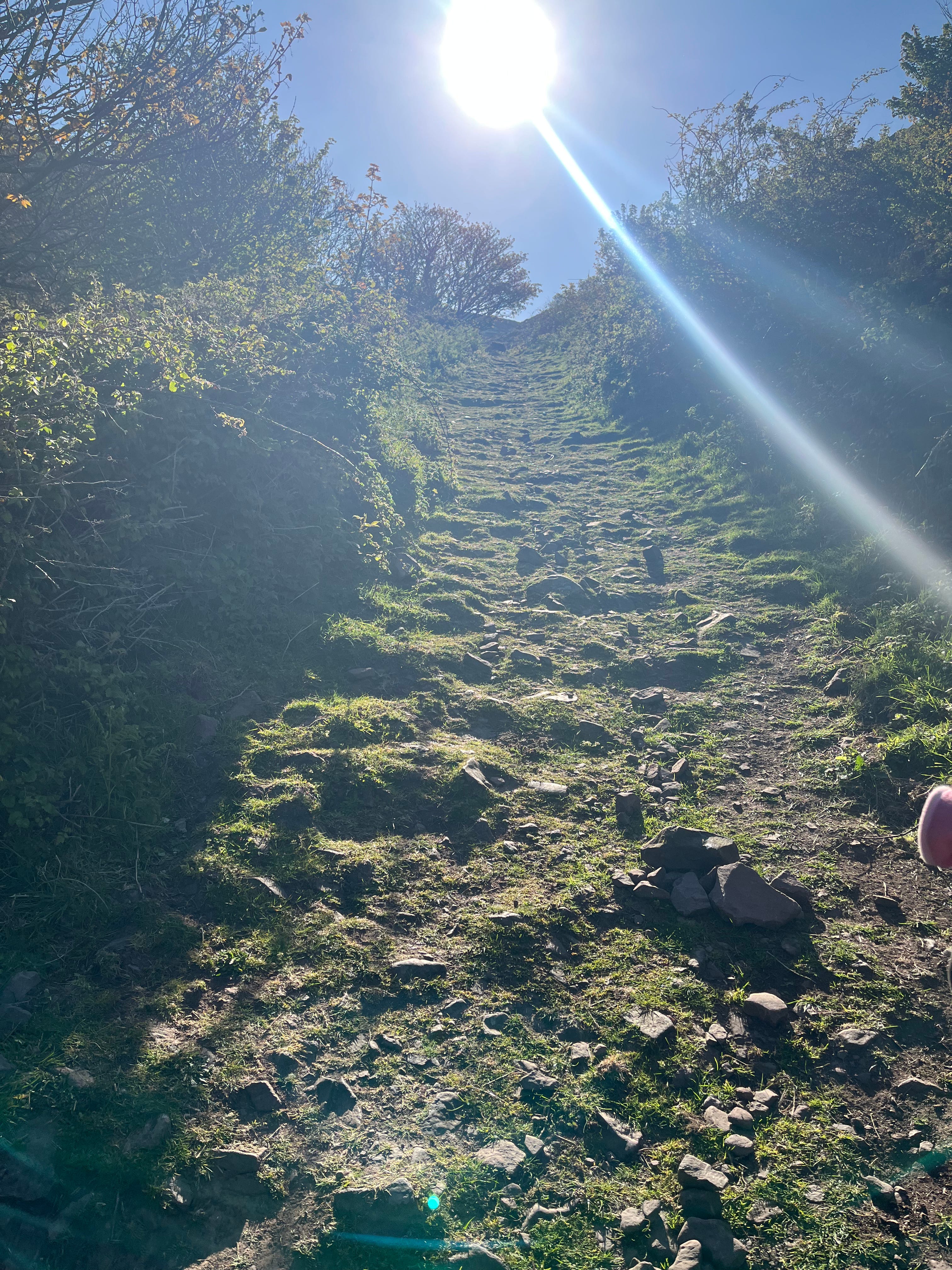
Google Maps estimated one hour each way. It did not factor in the incline, the uncertain ground, the gorse – dense, high, and entirely invisible on any map or my own fear of heights and lack of fitness – that made the terrain something other than the gentle moorland stroll implied. The walk took six hours in total, including breaks and the return and I loved almost every minute of it. Despite being impeded further by wearing my daughter’s walking boots, too new and slightly wrong, housing feet that already struggle in the tamest of shoes. I am genuinely proud that I reached the summit. I want to say that plainly, because the old me would be embarrassed by such a slight success and shamed by the level of challenge I found it.
On the way up, I thought about the gap between the map and the territory – like a course outline ill-informed by the refinement of delivering it, between the living, breathing, unknown resistances of the people experiencing it. All theory and no practice is inauthentic. You can’t hand someone a route you haven’t trialled and tested yourself. The road has things to tell you that the map cannot see.
What Surfaced on the Climb
It would be tidy to say the walk was healing and I felt renewed connection to myself, my husband and the beautiful nature we were part of. It would be partly true but I would be omitting – and I say this with love – the live demonstration of the Four Horsemen between my beloved and me, and within us both too.
Carl, despite being 60, looks mid-40s and is very fit, whereas, although I am a mere 49 years of age, I am considerably less so. He cycles 40 miles a day despite his own health challenges and was thrilled that this had earned him an effortless climb. He was trying to be supportive but he was also defensive, hot on any perceived criticism and anticipating my giving up or being unhappy with him for saying it was an hour’s walk. I was sanguine towards him about the unexpected level of challenge, although his defensiveness rankled mine. Any criticism was initially angled inwards, together with moments closer to contempt – at the stark contrast between how he meets his physical challenges and how I collapse into mine. Between where I want to be healthwise and where I am. Our different neurotypes served to sharpen the edges of ordinary misunderstanding, the way they too often still do, despite it being our 19th year together. Underneath it all: love. His genuine, unfailingly nurturing love shown through concern and sometimes overly cossetting attentiveness and care. I could see that and by the summit we were laughing and rebonded in the shared challenge and connection.
My focus since graduating has been building and refining Compassion Journalling as both standalone offering and foundation for the Four Horsemen course borne out of my research work. You build self-trust and resilience before you take on the harder work of looking at how the Horsemen move through you. I had last updated the outline for this course over a year ago.
The Ponies
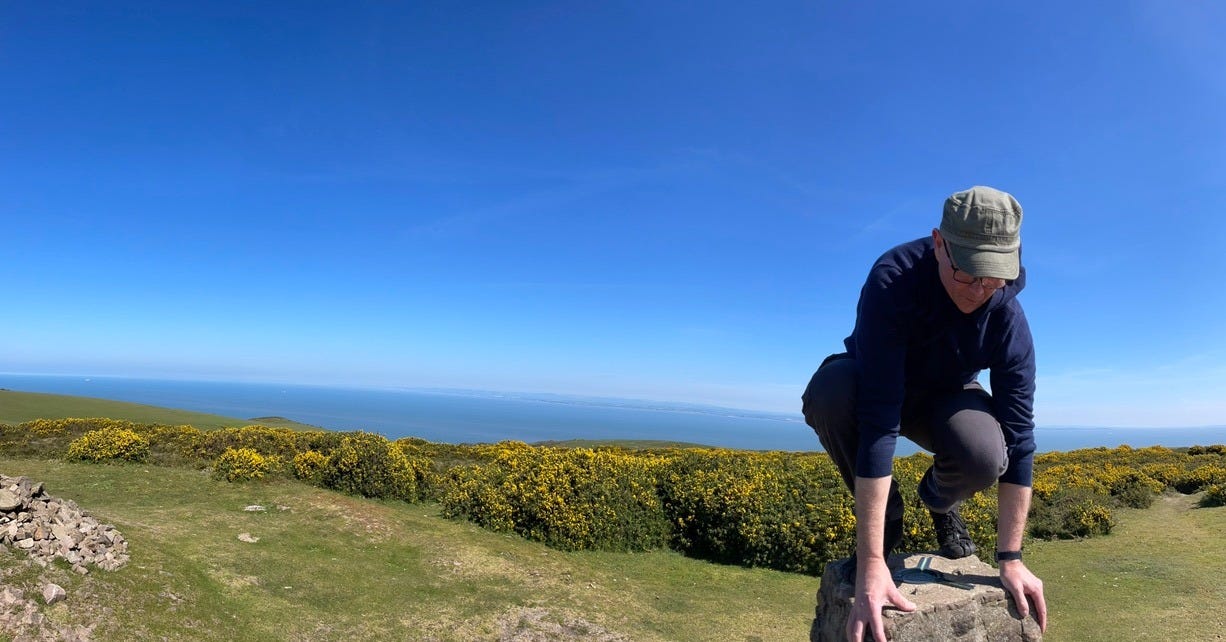
We were pointed in the right direction by some fellow walkers who had spotted us from a distance – Carl triumphant on the summit marker, the two of us caught kissing. The ponies, it turned out, were a little further down.
And they were branded with an anchor. I was both shocked and unsurprised.
I watched my symbol of self-liberation, still owned. Marked but unbroken, free-moving creatures I had been carrying in my imagination for years.
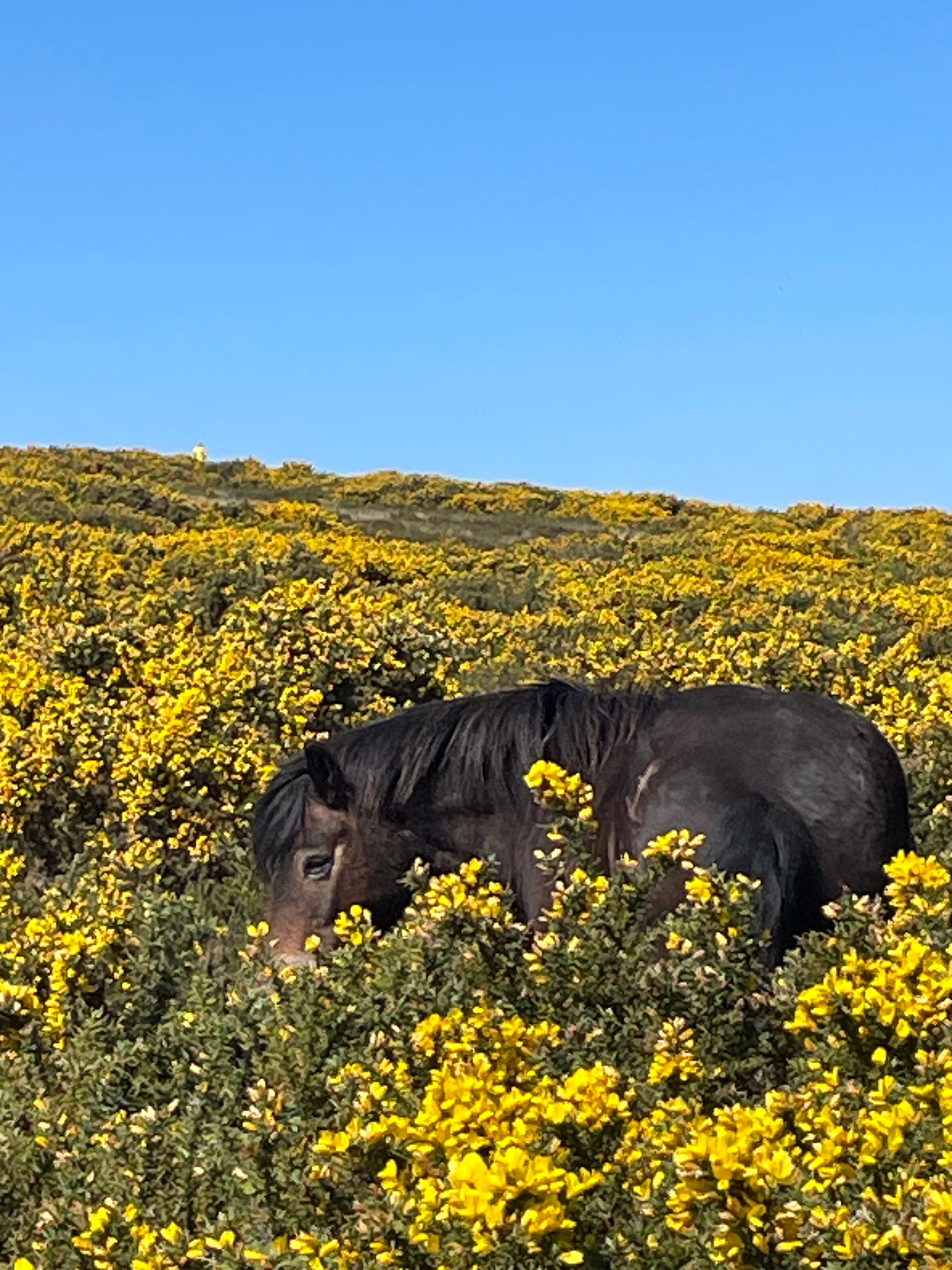
I felt the honour of sharing space with a pony brunching on gorse and spring flowers, as if one and the same before noticing the whole herd. I was overwhelmed with excitement, like a little girl. Until I noticed one pony beneath the others, lying very still.
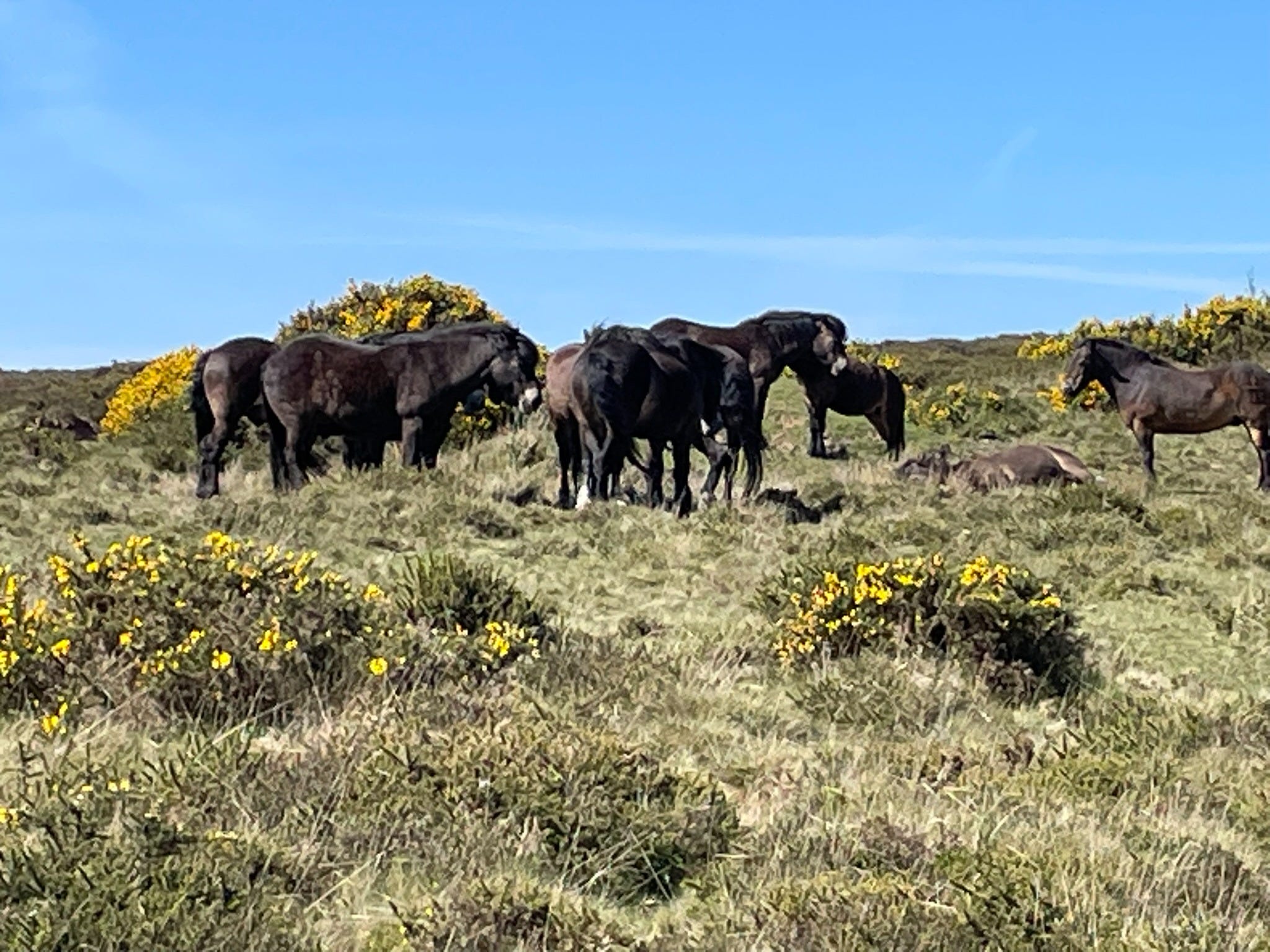
The pony’s tail moving only twice, and barely. The herd was gathered around and nearby. Two of them nose to nose – co-regulating I was sure.
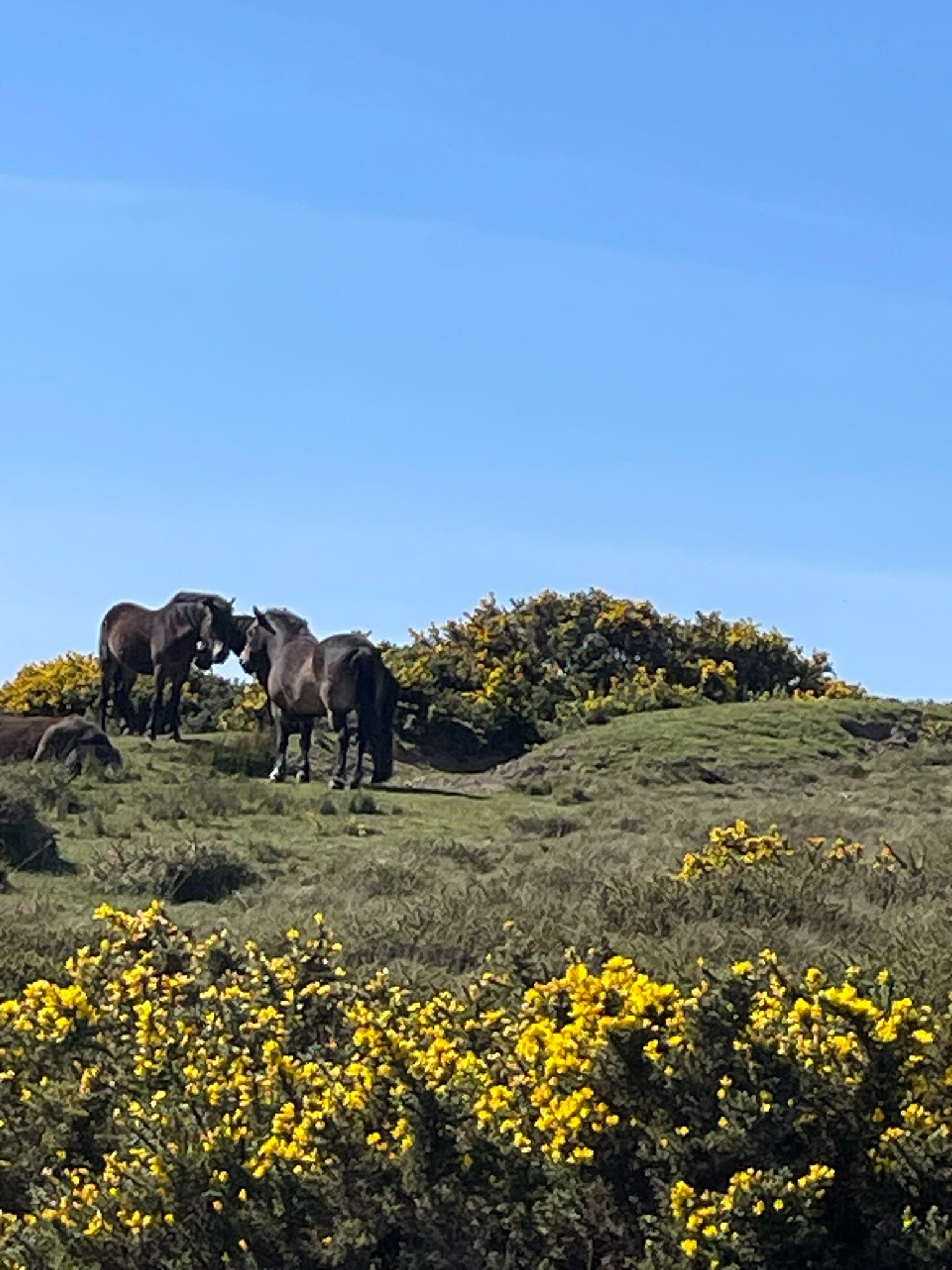
I felt their worry and grief. I didn’t want to invade by getting any closer. My certainty arrived fully formed, that she was dying and they were keeping watch. I told Carl it was time to go, that we should leave them be. I tried to hide my tears but Carl responded to my stark change in mood by providing an alternative story. He was kind but equally sweeping in his assessment that it was just napping. I felt irritated and patronised, as if dismissed for what I knew to be true.
I still don’t know what was actually happening. That pony might have been dying. Or resting. The herd gathered might have been witness to upcoming loss, or to something else entirely. I made my story and held it hard, and that says more about me in that moment than the pony.
Suffice to say, we finally saw the ponies. I loved it but it was bittersweet.
The Way Back
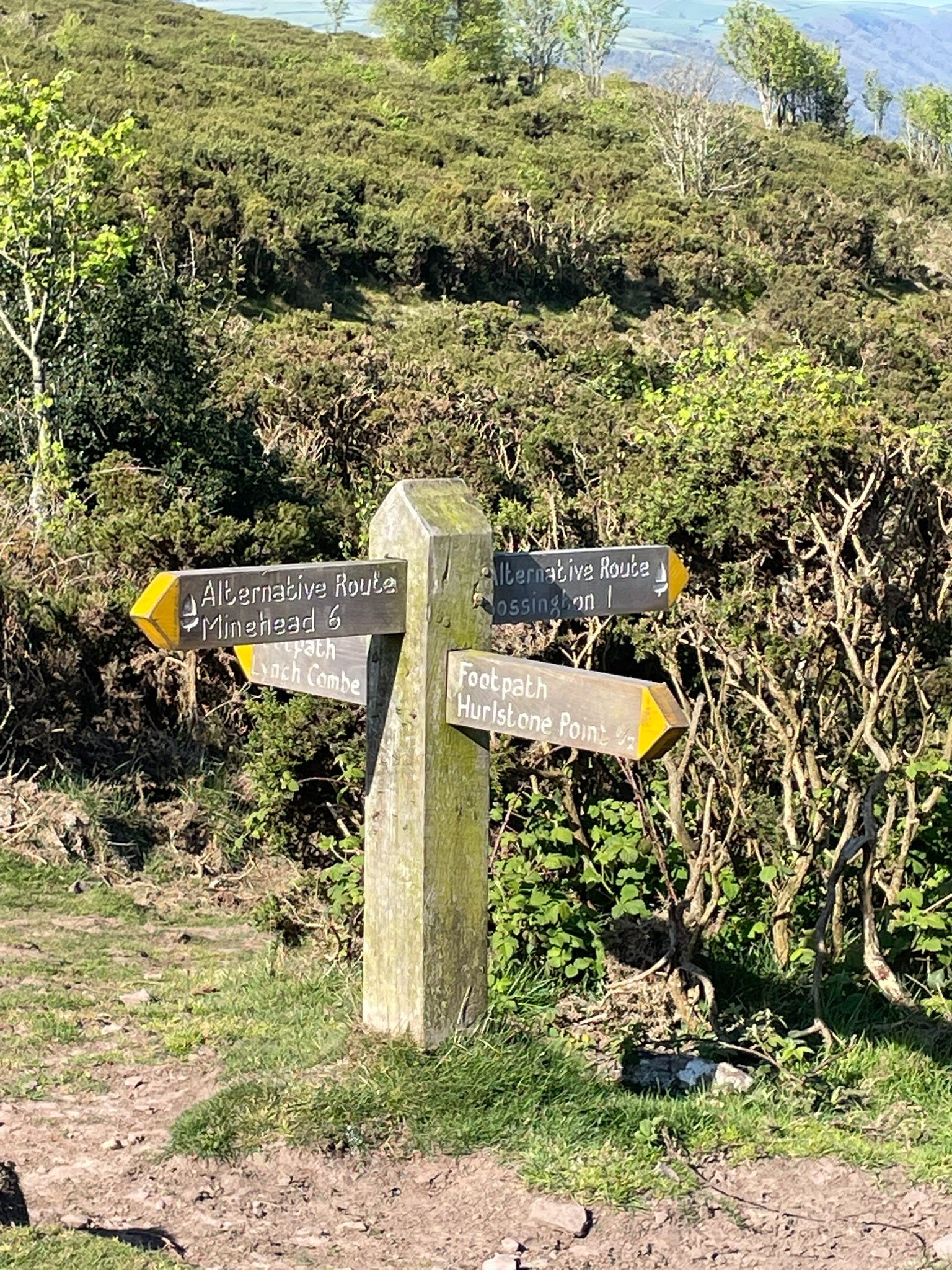
We took a gentler route back. The gorse gave way to wildflowers. And then, entirely unexpectedly, we found the Periwinkle tea room – with a gallery to its side, the kind of picturebook place you only find by going the wrong way.
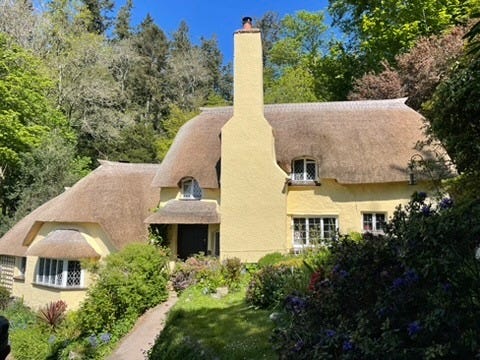
We bought necklaces for our three daughters. Carl, who rarely gets a treat, had a slice of vegan gluten-free cake.
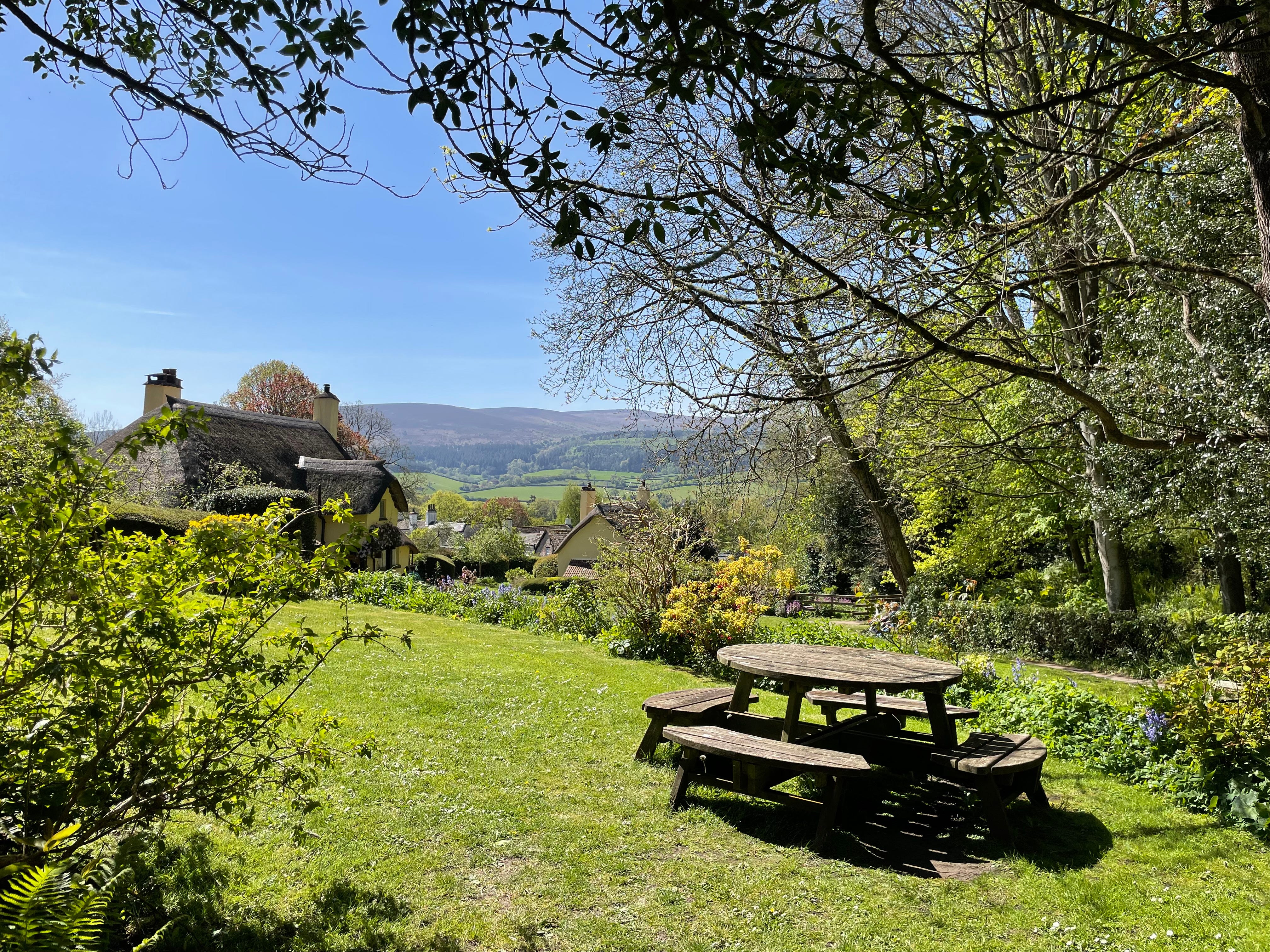
I had a less rare but very welcome slice of my own. We took photographs of the wildflowers we’d walked through to get there.
The descent was less steep but still agony for my feet who were quietly insistent on me listening to what they have been begging me a lifetime to hear. I underplayed the pain– I was happy and felt connected to Carl and myself. I was grateful – but every step was placed deliberately, in negotiation with my poor feet, and the state of them when we got home told their own story.
Animal First
Since coming home I have ordered shoes from a company called Freet. It came with a little card about following the perfect design of the human foot. Wide fit, properly wide. Not shoes I’ve squeezed toward. Not shoes that hobble. I found it unexpectedly moving as if it was affirming my feet’s permission to be.
I am an animal before I am anything else – before I am a professional, mother, woman shaped by what I was told I should be. The journey took six hours with blisters, borrowed boots, and a long painful lesson in how being self-centred is about centring oneself in our bodies as much as our minds.
I also came home agreeing to Carl’s long term dream for a campervan, which I had previously considered as a threat rather than a promise. We came back closer than we left, which is welcome and somewhat unexpected, and we are determined to do more adventuring, just the two of us.
Back in London, a visit to our vet – for entirely unrelated domestic chaos – happened to turn to the ponies. She thought it likely the pony was an expectant mother, the herd close protecting the arrival of the yet unbranded foal. I don’t know if that’s true. But its potential promise sits differently in my body.
April’s Other Threads
There was more to this month – bullet journalling as a tool for self-mapping rather than productivity performance, experiments with understanding my own dopamine wiring, the ongoing question of how to be present on Substack without it becoming another performance of engagement. I’ll write about these. What would you most like to hear about?
And if you’ve been to Exmoor, or if you have a three-year appointment you haven’t yet kept – I’d love to know about it and how you might make it happen for you.
Gottman’s Four Horsemen – criticism, contempt, defensiveness, and stonewalling – were originally identified as predictors of relationship breakdown.
My MSc research explored what happens when we apply that same lens to the way we talk to ourselves. More on the course that’s emerging from that work soon.
Well done, what an awesome achievement! ❤️
Horses often sleep like this, even though we rarely see it in domesticated horses so it seems unusual to us. They will only do it when they’re part of an established herd where they can fully relax, and there are others to nap standing close to them. They kind of take it in turns to go into this deepest rest state!
In a situation where horses are domesticated but there’s an emphasis on keeping them as naturally as possible - ie. free movement, constant forage, and an established herd - resting or sleeping like this is not unusual at all.
Seeing or being with free and happy horses! There’s nothing so beautiful!! ❤️
It took me awhile to get to read this one, Kate - I had it bookmarked for a less busy time. Your dream, the journey, the agony of the walk, the self acceptance, you and Carl (and every close relationship ever). I wish you would write more.